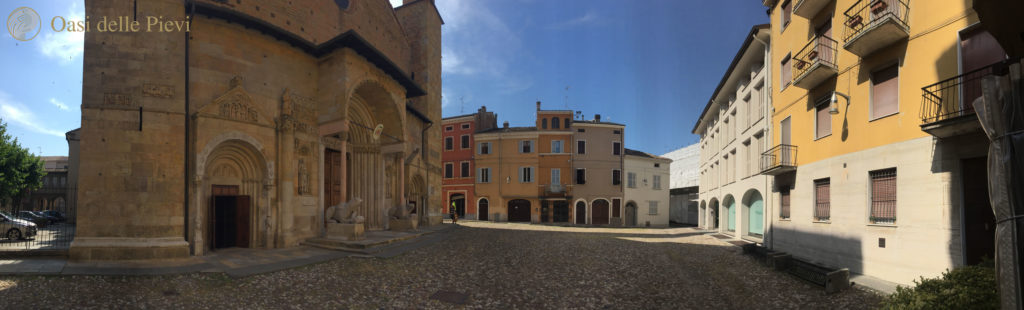
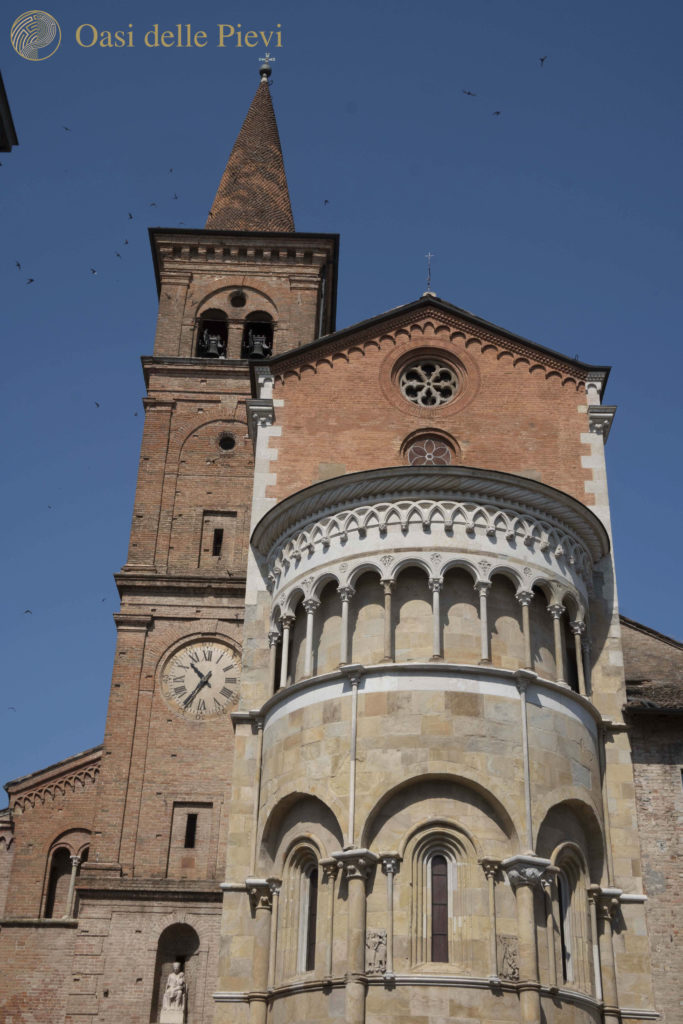
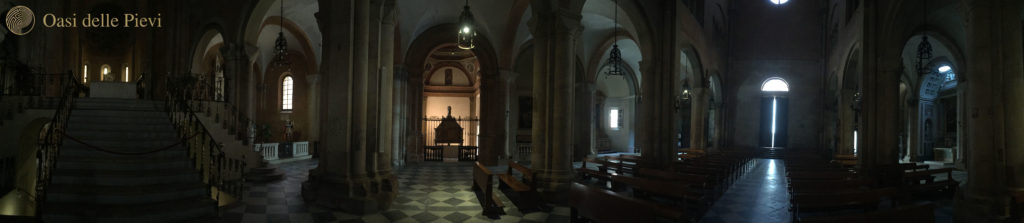
According to tradition, the first sacellum was built as early as the fourth century, in the place where the cathedral is now: the place of martyrdom and the first discovery of the body of St. Donninus. A church dedicated to the saint already existed in the first half of the ninth century and a document of 991 attests that the church of Borgo San Donnino was a parish church (a church with baptismal prerogatives, a chapter and a series of chapels depending on it). The consecration took place in 1106 by Pope Paschal II, but was elevated to the Cathedral only in 1601. Its position is of great importance given its proximity to the Via Romea.
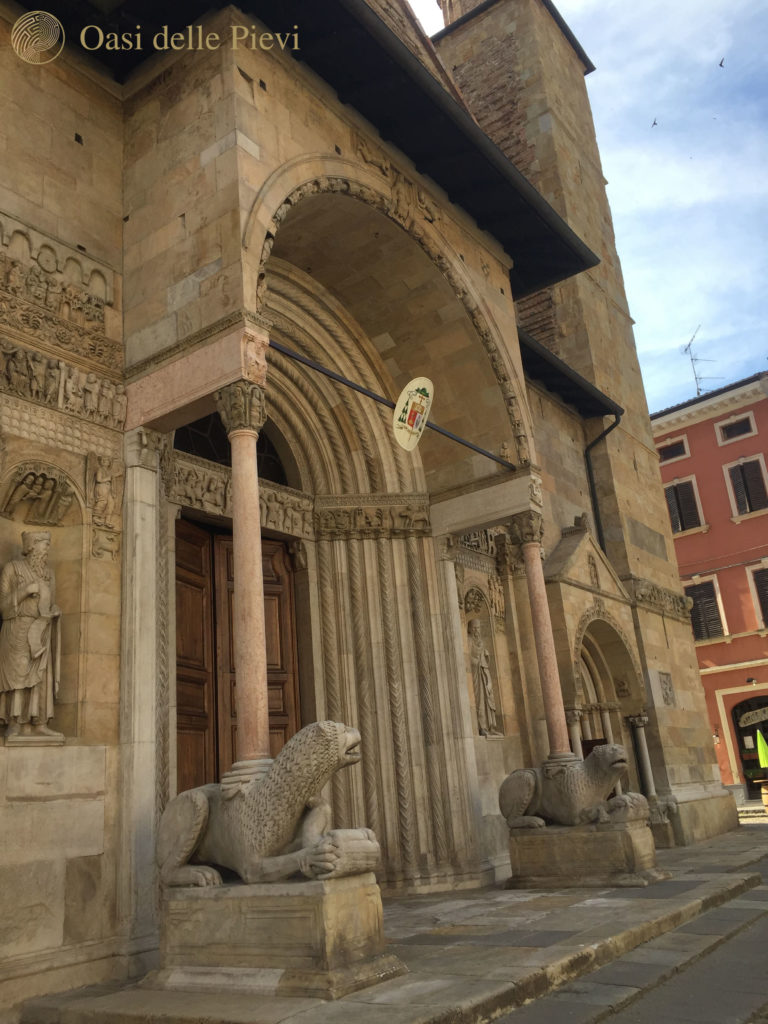
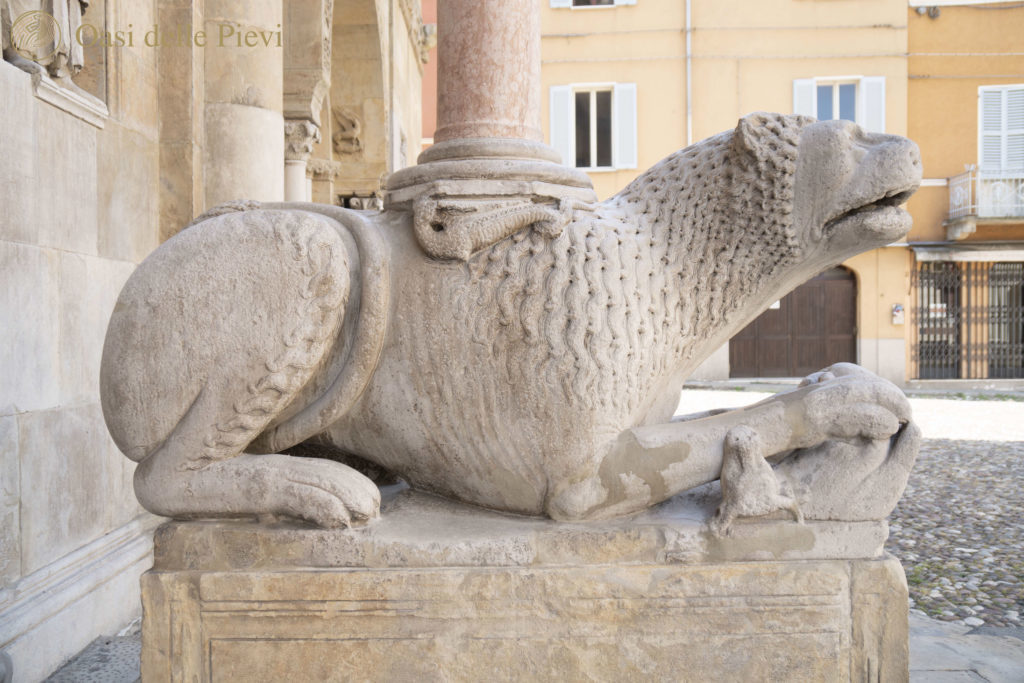
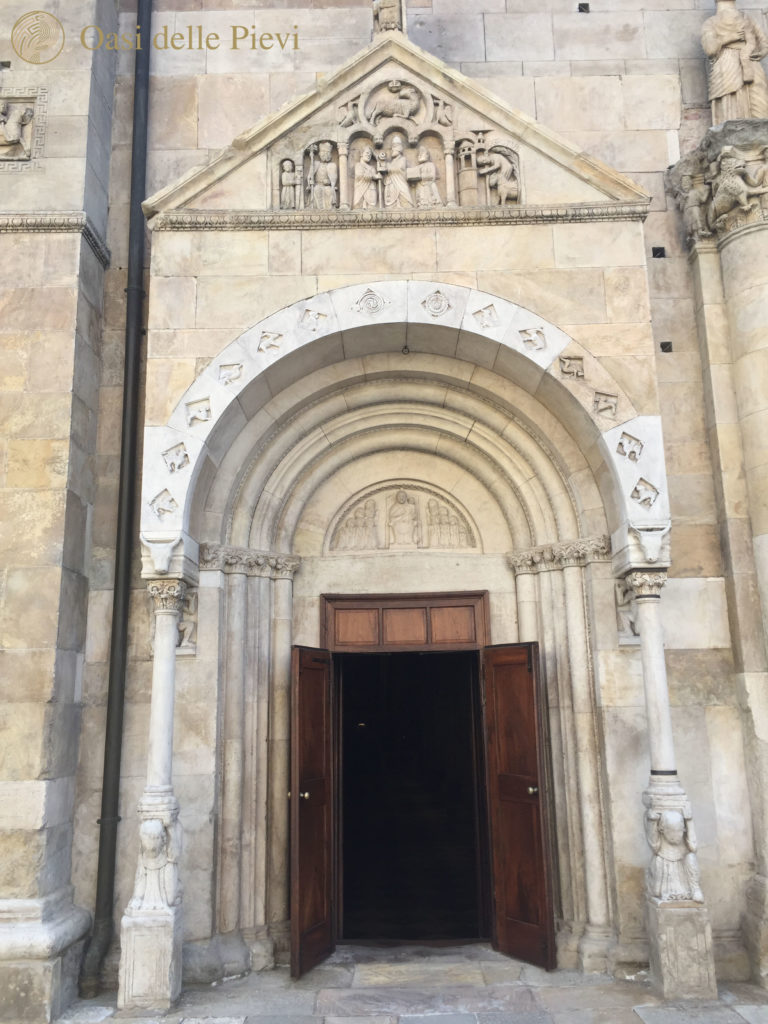
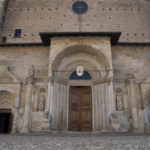
The facade has a gabled profile and is framed by two side towers. In the lower part there are three portals. The central portal has a prothyrum with columns supported by two lions and stylophors in the keystone of the arch we find Christ in glory. Along the horizontal band, between the two semi-columns on the sides of the prothyrum, is depicted the story of San Donnino, which starts from the left semi-column, runs between the two cones and the lintel of the main portal, and ends at the sides of the opposite semi-column.
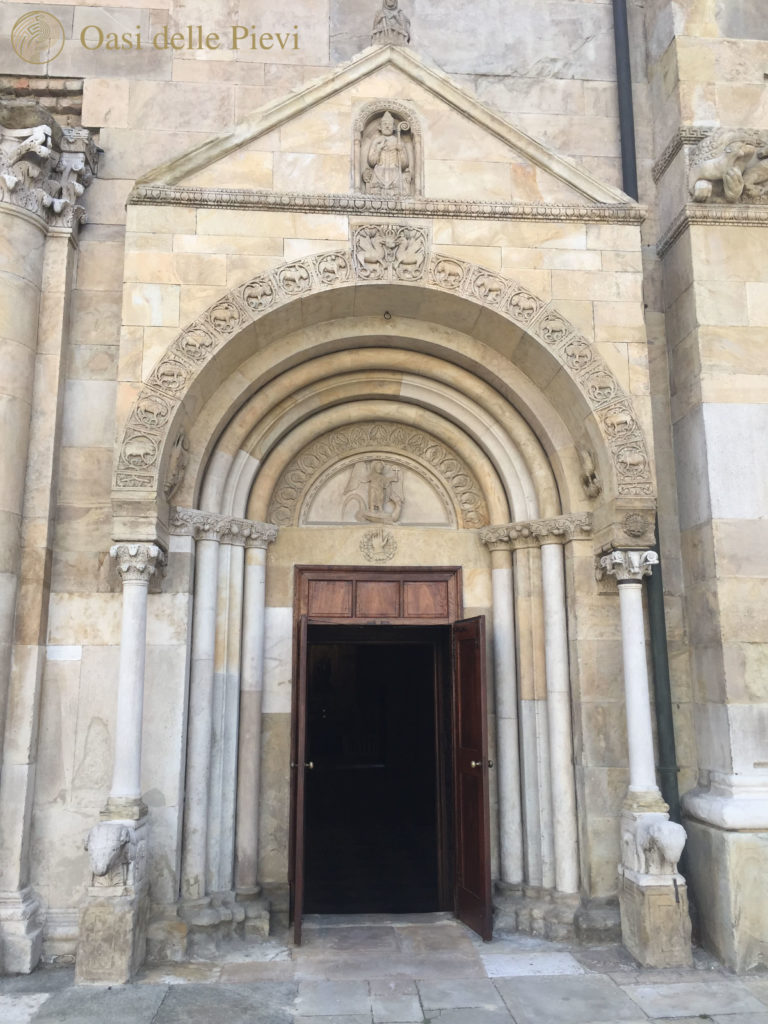
In the left portal we see: in the pediment, under the representation of the mystical Lamb, is told the story of Borgo San Donnino with its protagonists: Charlemagne, who raised the church to “Imperial Church”, in the center, Pope Hadrian II confers mitre and pastoral care to the archpriest of the place, right, a sick man asks for healing in the Church of San Donnino.
In the lunette, surrounded by two groups of women, is represented the “Madonna della Via”, also called “Madonna della Misericordia”. In the right portal, instead, are represented: in the center of the tympanum the archpriest blessing the Church of San Donnino, in the lunette St. Michael piercing the dragon.
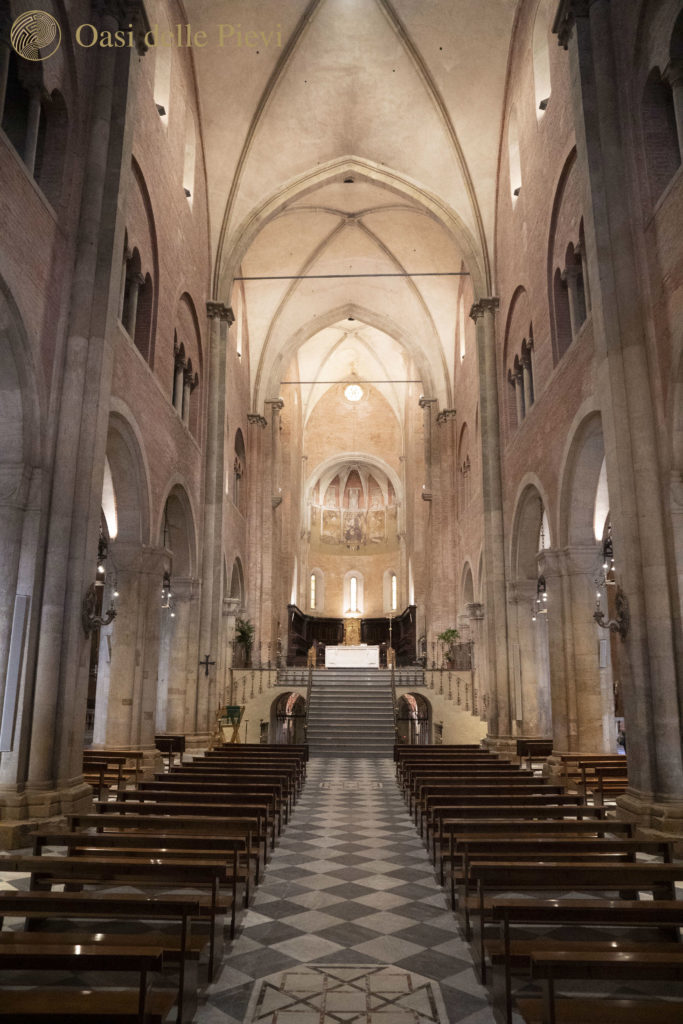
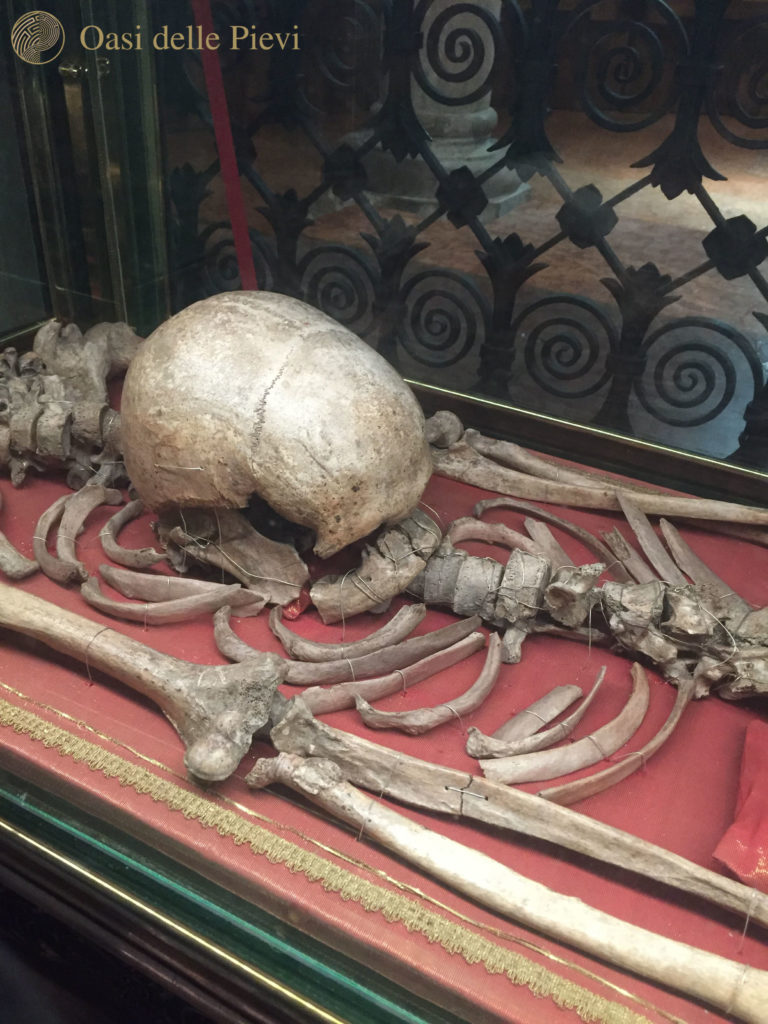
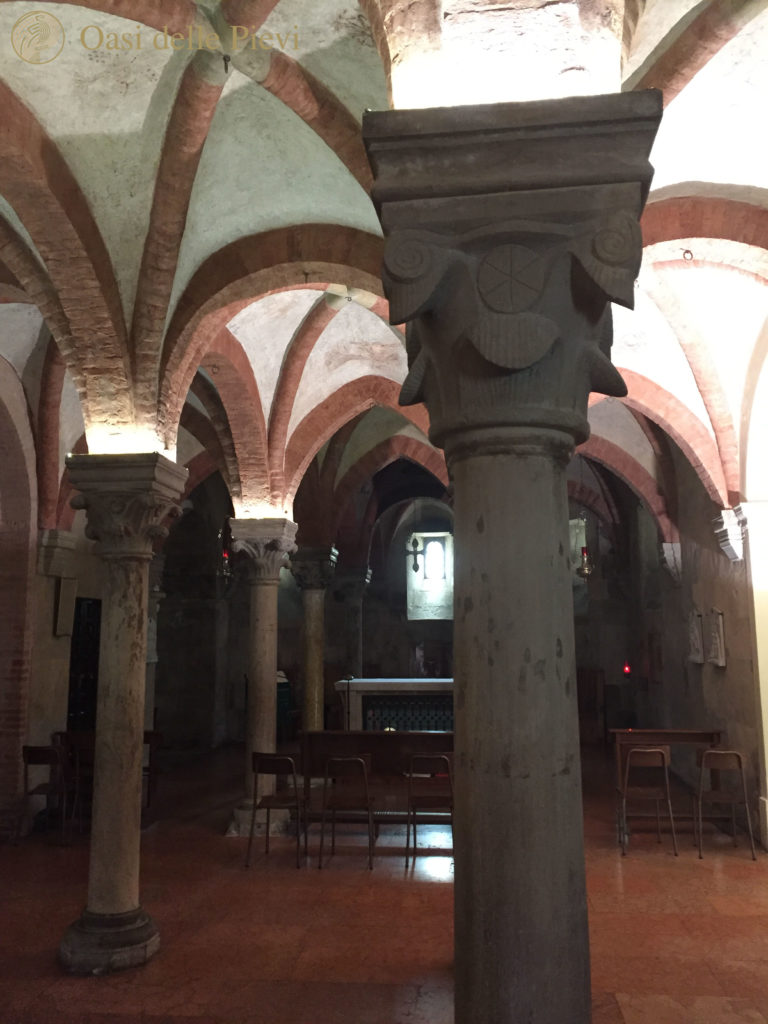
Important is the frieze that decorates the stringcourse frame on the right side of the southern tower: pilgrims of different social classes who, along the Via Romea, flanked the right side of the Dome. The interior of the structure is divided into three naves and the altar is raised above the central nave. Below the presbytery is the crypt, where the relics of San Donnino are kept in a shrine that makes them visible to all the faithful.
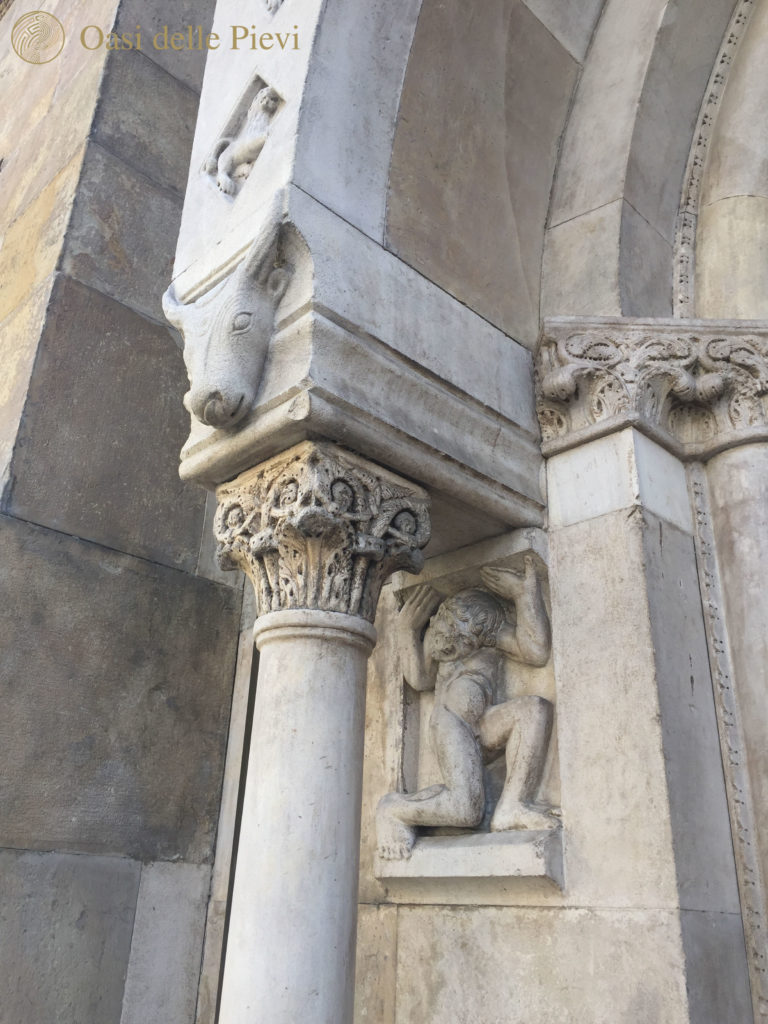
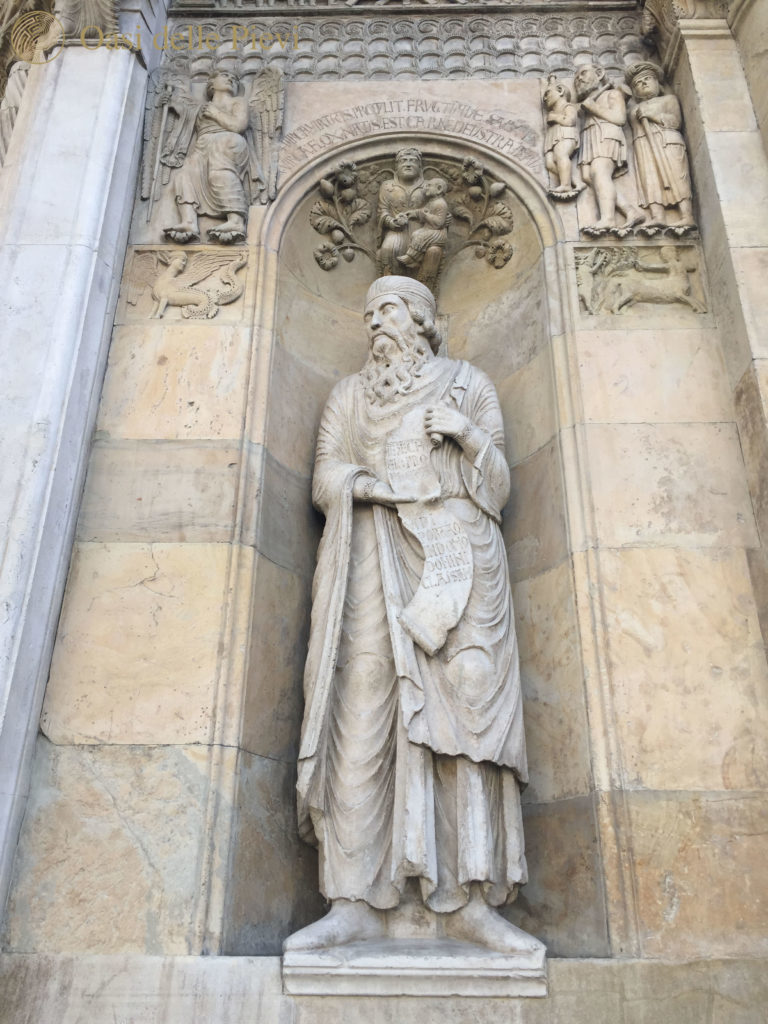
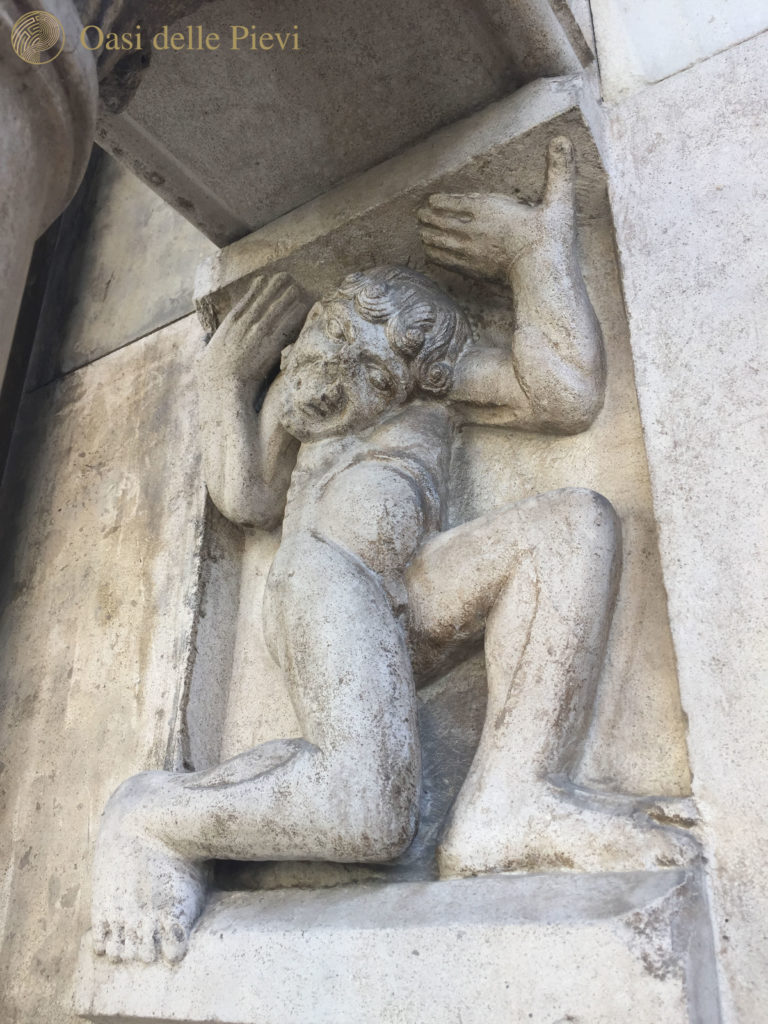
The bas-reliefs carved in the facade and the statues are works made by the famous master Benedetto Antelami and his workshop, between the end of the twelfth and the beginning of the thirteenth century. Proof of refinement and particular value are the two statues representing King David and the Prophet Ezekiel, placed in the niches created on the sides of the main portal, sculptures that are believed to have been carved by the master himself.
43036 Fidenza
Italia